Zoom Q2n-4K Review: Essential 4K Video for Musicians
Read our hands-on Zoom Q2n-4K review to see how this ultra-compact 4K video camera handles loud live audio, web streaming, and stage lighting setups.
 Compact Cameras
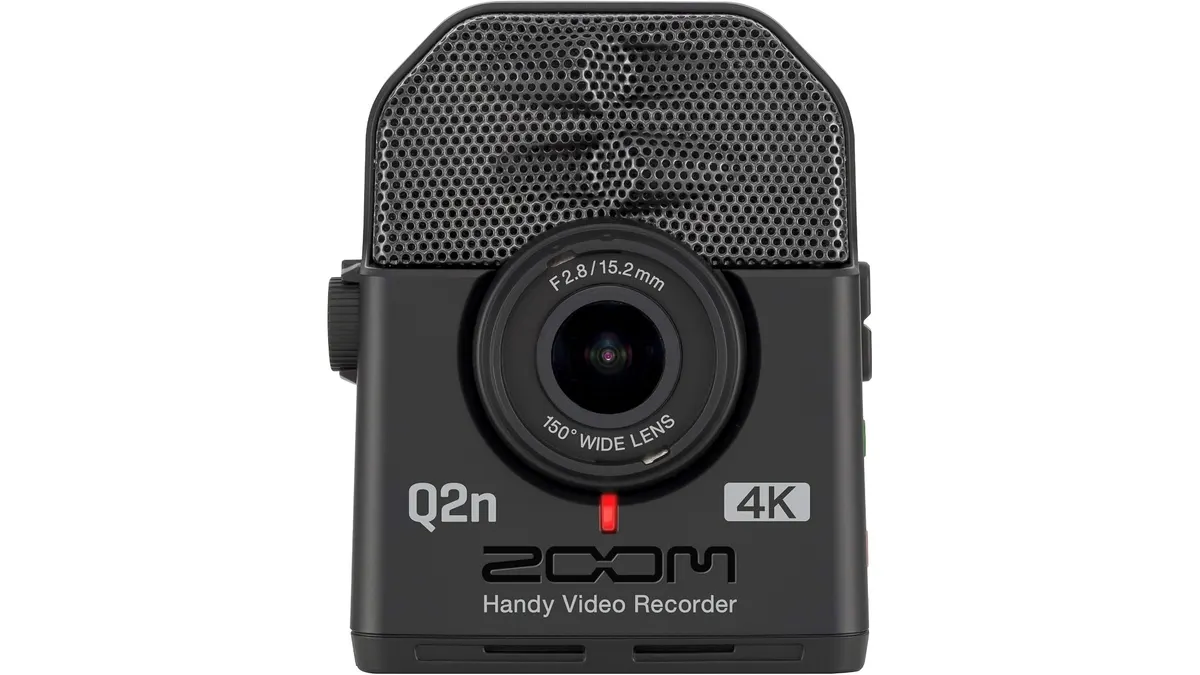
Capturing live acoustic sessions or high-volume rehearsal footage usually requires pairing a dedicated field recorder with a separate camera lens. The Zoom Q2n-4K aims to solve that headache by placing high-grade stereo recording into a pocket-sized body. As part of our look at modern Compact Cameras, this Zoom Q2n-4K review checks whether this audio-first device delivers enough visual punch for real-world video production.
What it does well
Audio capture is where this unit truly sets itself apart from standard compact video gear. The built-in X/Y stereo microphones are engineered to handle up to 120 dB SPL without clipping. On set during a live jazz quartet session and positioned right next to a heavy-handed drummer, the built-in capsules captured crisp cymbals and deep snare transients with zero distortion. For creators tired of harsh, clipped audio from typical small cameras, this headroom is a game changer.
Optically, the ultra-wide 150° lens gives you immediate coverage in tight spaces. When filming rehearsals inside small practice rooms or cramped studio booths, you can place the camera mere feet from the band and still keep every performer inside the frame. Zoom addresses the typical fisheye distortion by providing five distinct field-of-view (FOV) settings, letting you punch in digitally when you need a tighter, more traditional frame.
Lighting environments on stage are notoriously difficult, but the integrated HDR feature combined with 12 scene presets handles tricky spots effectively. Whether shooting under shifting LED stage washes, dim club lighting, or direct sunlight outdoors, switching to presets like ‘Concert Light’ or ‘Dance Floor’ helps preserve detail in hot highlights without completely blowing out background elements.
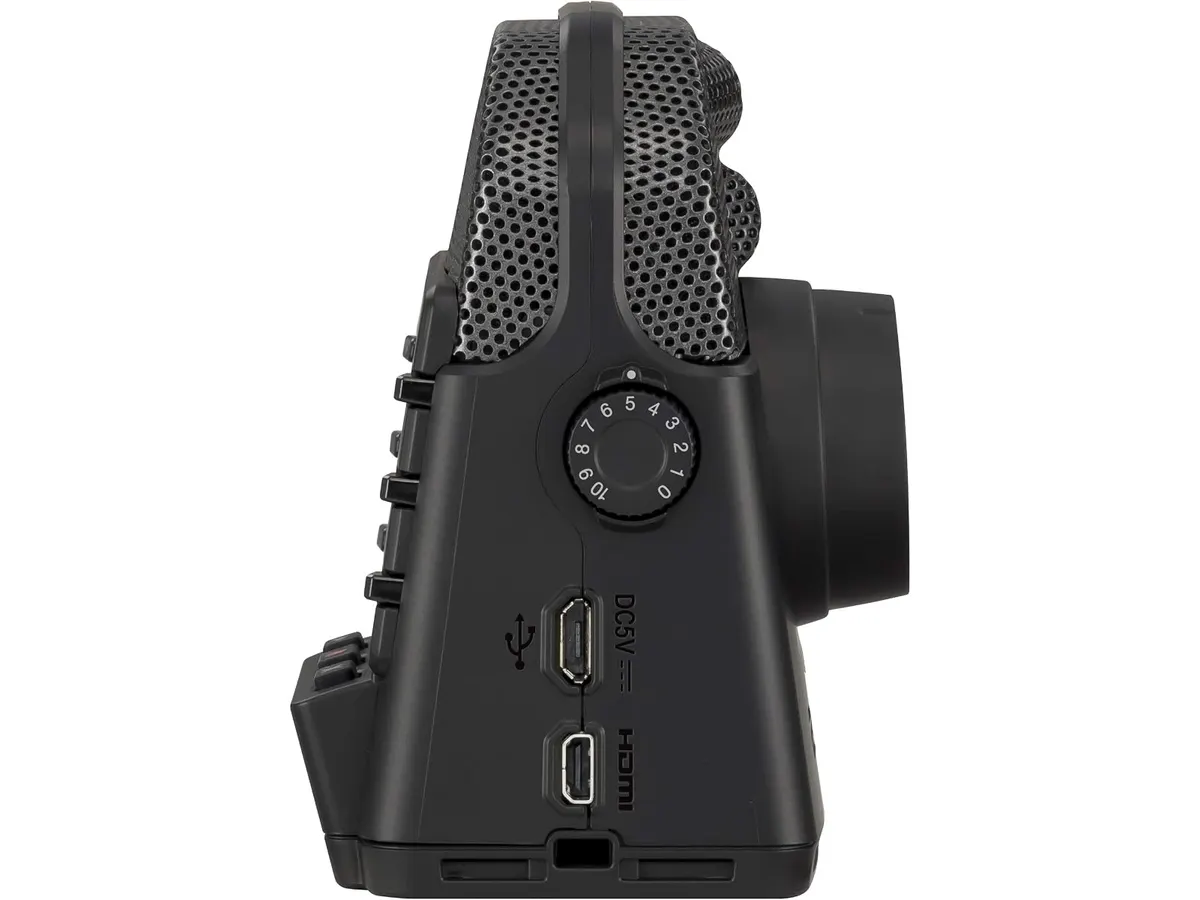
Finally, direct platform integration makes streaming painless. Connecting the unit via USB turns it into an instant high-definition webcam for live feeds to YouTube, Twitch, and Facebook. There is no need for external capture cards or convoluted driver software when broadcasting live performances.
Key specifications
| Feature | Specification |
|---|---|
| Video Resolution | 4K Ultra HD |
| Lens | 150° wide-angle |
| Field of View Settings | 5 selectable options |
| Maximum Sound Pressure | 120 dB SPL |
| Microphones | Built-in X/Y stereo |
| Scene Processing | 12 presets including HDR |
| Streaming Support | Direct USB connectivity |
| Mounting | Integrated standard tripod thread |
Where it falls short
While the 150° lens is fantastic for tight quarters, modifying your framing relies on digital field-of-view adjustments rather than true optical zoom. Stepping into the narrowest FOV settings crops into the 4K image sensor. While it maintains decent clarity, you do lose some of the fine detail and sharpness that the full sensor read-out offers at its widest setting.
Physical controls on the body are stripped down for simplicity, which can feel limiting if you are accustomed to manual camera controls. You rely heavily on auto-exposure and predefined scene presets rather than dialing in precise shutter speeds or ISO sensitivity. If you encounter unpredictable, rapidly cycling light shows on stage, the automated exposure can occasionally hunt while trying to balance the scene.
Low-light performance without the HDR presets active can introduce noticeable grain into shadow areas. While Zoom Compact Cameras focus primarily on capturing pristine audio environments, visual fidelity in extremely dark venues without direct stage lighting will require extra light sources on your end.
Who is it for?
This camera fits solo musicians, band directors, music instructors, and podcast hosts who need studio-quality stereo audio paired with sharp 4K video. If your priority is recording high-volume live concerts, acoustic sets, or quick rehearsal tapes without setting up external mics, cables, and interface boxes, this unit is tailor-made for your workflow.
It is not built for narrative filmmakers, high-end commercial directors, or action videographers. If your projects demand shallow depth of field, optical zoom lenses, robust manual exposure controls, or active mechanical gimbal stabilization for high-speed tracking shots, you will find this fixed-lens design overly restrictive.
Alternatives to consider
If you require smooth tracking motion and active camera moves rather than fixed stage coverage, consider a mid-tier gimbal-stabilized vlog camera. Products in that category offer motorized horizon balancing and mechanical tracking, making them better suited for walking content creators, though they lack the high SPL audio headroom featured here.
Alternatively, if your goal is building a permanent multi-camera broadcast rig for corporate events or complex stage productions, a high-end multi-input video switcher platform might serve you better. Those systems allow you to feed multiple dedicated cinema cameras into a central hub, giving you full control over manual color profiles and direct audio mixing consoles.
Verdict
The Zoom Q2n-4K fills a distinct need by prioritizing pristine 120 dB SPL stereo sound and ultra-wide 4K framing in a lightweight, simple package. It eliminates the friction of rigging separate audio recorders when capturing high-volume concerts, music lessons, or quick USB live streams. Creators who need dynamic camera movement might look into our DJI Osmo Pocket 4 Review: Compact Camera for Vloggers, while broadcast operators building complex control centers should consult our YOLOLIV YoloCam S3 Review: High-End Streaming Performance.
Frequently asked questions
Can I use the Zoom Q2n-4K directly as a computer webcam?
Yes, you can plug the unit directly into your computer using a standard USB connection. It acts as an audio and video input device for live streaming on platforms like YouTube, Twitch, and Facebook without needing external capture cards.
How does the 120 dB SPL rating help when recording live music?
Sound pressure level (SPL) measures loudness. A 120 dB SPL threshold allows the built-in X/Y stereo microphones to capture extremely loud sources—such as live drum kits, brass sections, or cranked guitar amplifiers—without distorting or clipping the recorded audio track.
Can I mount this camera to standard grip equipment?
Yes, the base of the camera features an integrated standard tripod thread. This allows you to attach it directly to tripods, light stands, boom arms, or specialized music stand mounts.
Written by
Charly River
Editor & Head of Reviews
I review audiovisual gear by cross-checking official specs, real availability and value for money. No sponsorships: if a link earns a commission, I always say so.
Spotted an error? Email usYou may also like
 Compact Cameras
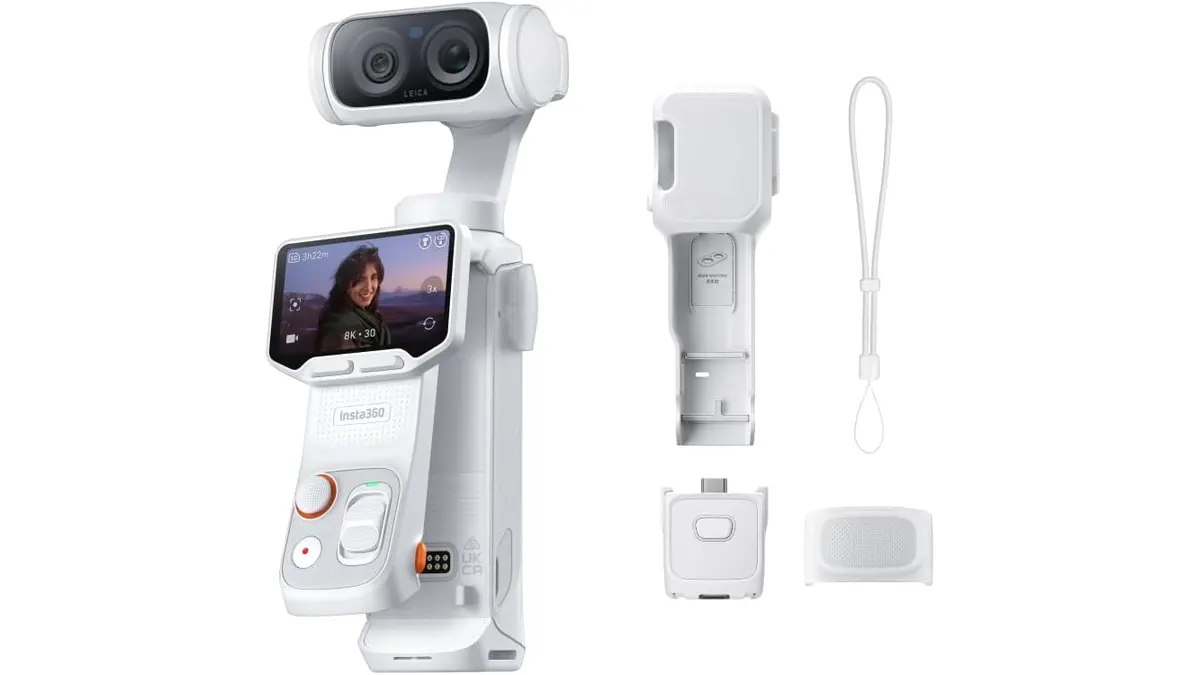
Insta360 Luna Ultra Review: Mechanical Power in a Small Package
I put the Insta360 Luna Ultra to the test. Discover if this dual-lens mechanical stabilizer is the right upgrade for your mobile production workflow.
 Compact Cameras
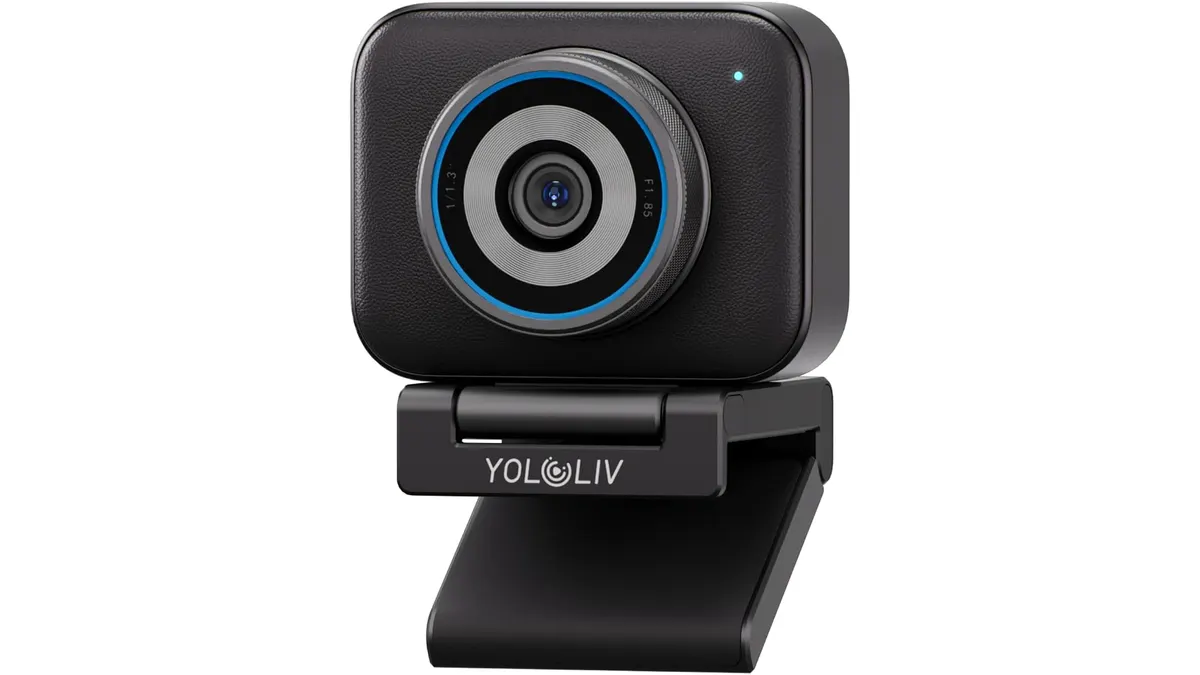
YOLOLIV YoloCam S3 Review: High-End Streaming Performance
I tested the YOLOLIV YoloCam S3 for streaming and corporate work. Read my honest review on image quality, autofocus, and if it fits your production needs.
 Compact Cameras
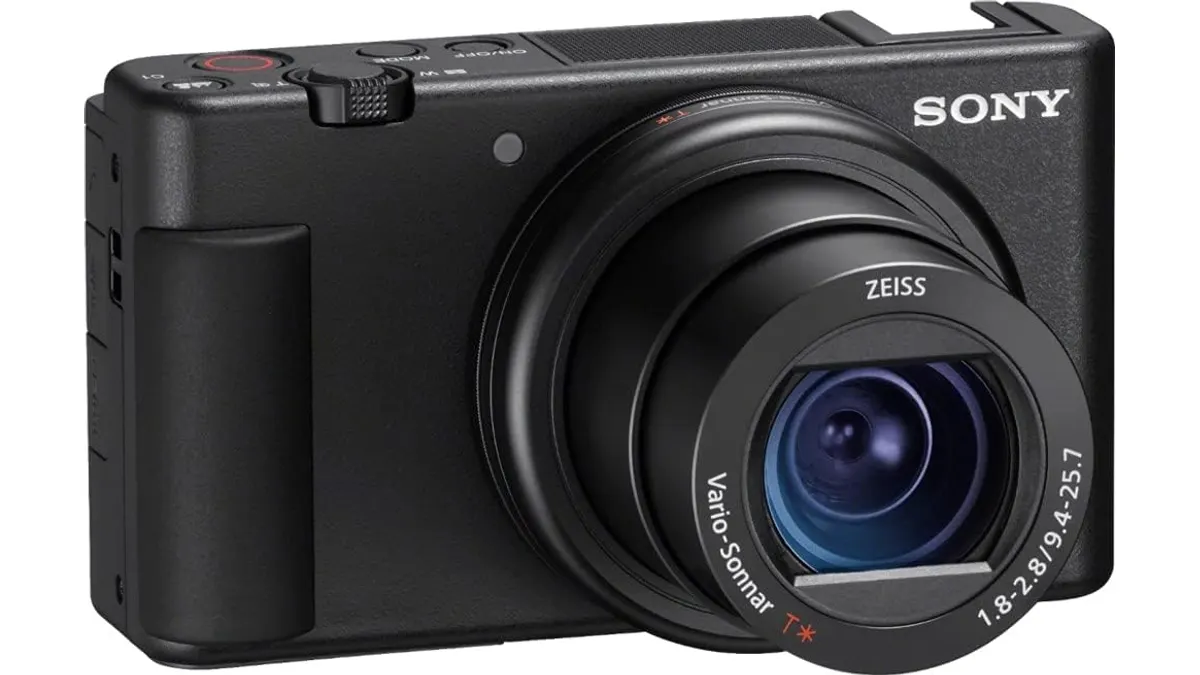
Sony ZV-1 Review: The Ultimate Pocket Vlogging Camera
Read our hands-on Sony ZV-1 review covering 4K HDR video, fast hybrid autofocus, audio features, and key trade-offs for video creators.