Insta360 Luna Ultra Review: Mechanical Power in a Small Package
I put the Insta360 Luna Ultra to the test. Discover if this dual-lens mechanical stabilizer is the right upgrade for your mobile production workflow.
 Compact Cameras
Insta360 Luna Ultra Review: Mechanical Power in a Small Package
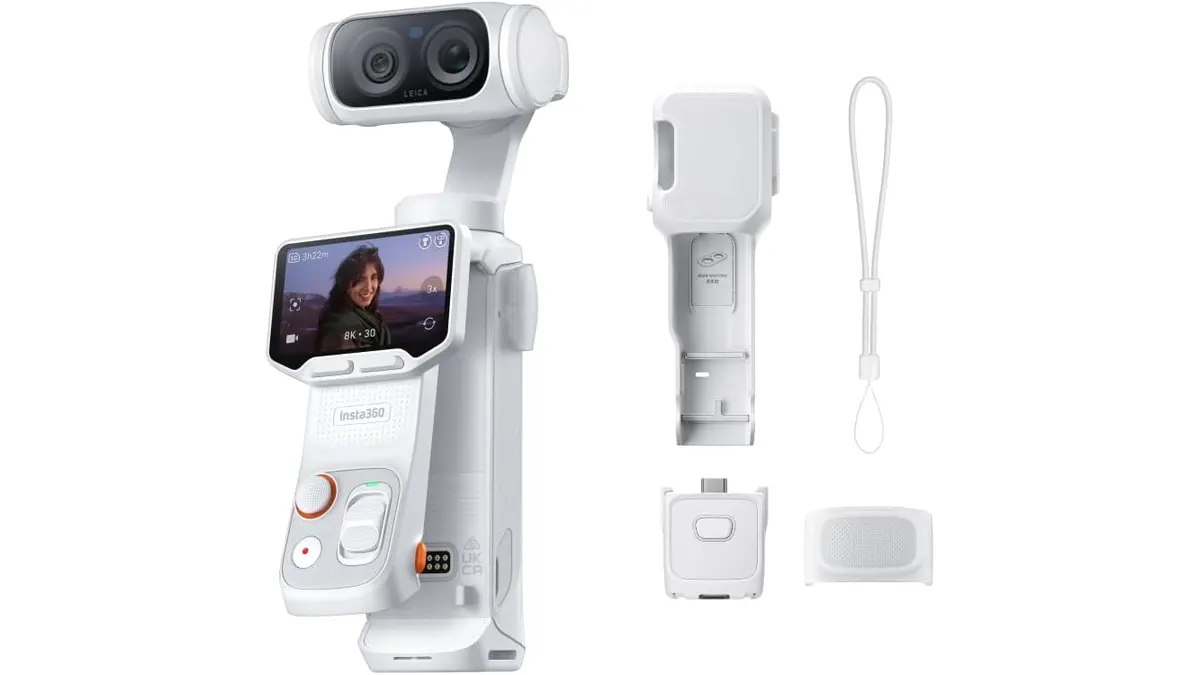
The landscape of portable production has shifted. When I look at the current market for Compact Cameras, I prioritize gear that eliminates the need for bulky support rigs without sacrificing image fidelity. The Insta360 Luna Ultra enters this space with a unique promise: combining mechanical 3-axis stabilization with dual Leica-engineered optics to provide a high-end, all-in-one solution for creators who need to move fast.
What it does well
The standout feature here is undoubtedly the mechanical 3-axis stabilization. Unlike electronic stabilization that crops into your frame, this physical gimbal system maintains the full field of view, keeping footage buttery smooth during high-energy run-and-gun sequences. It is a genuine relief to shoot walking shots without having to worry about micro-jitter or digital artifacts.
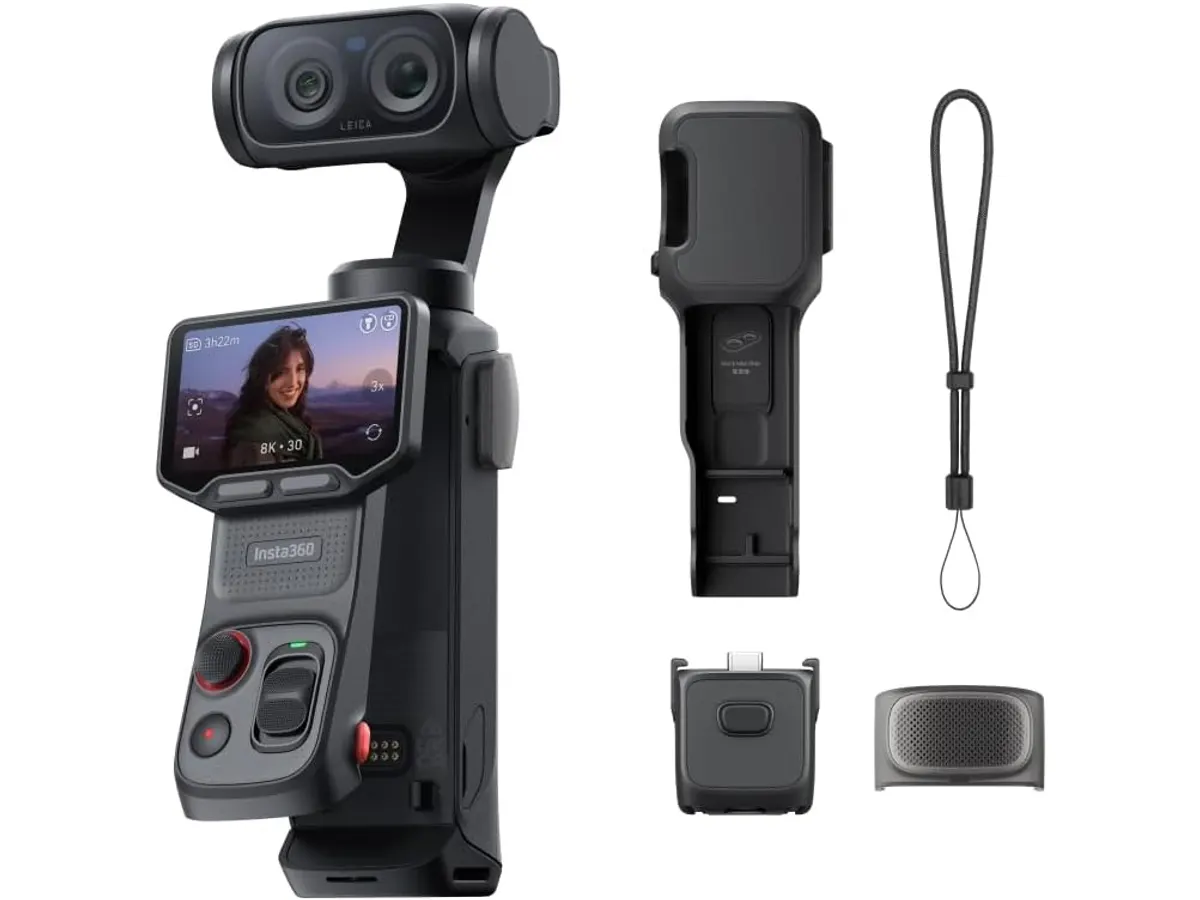
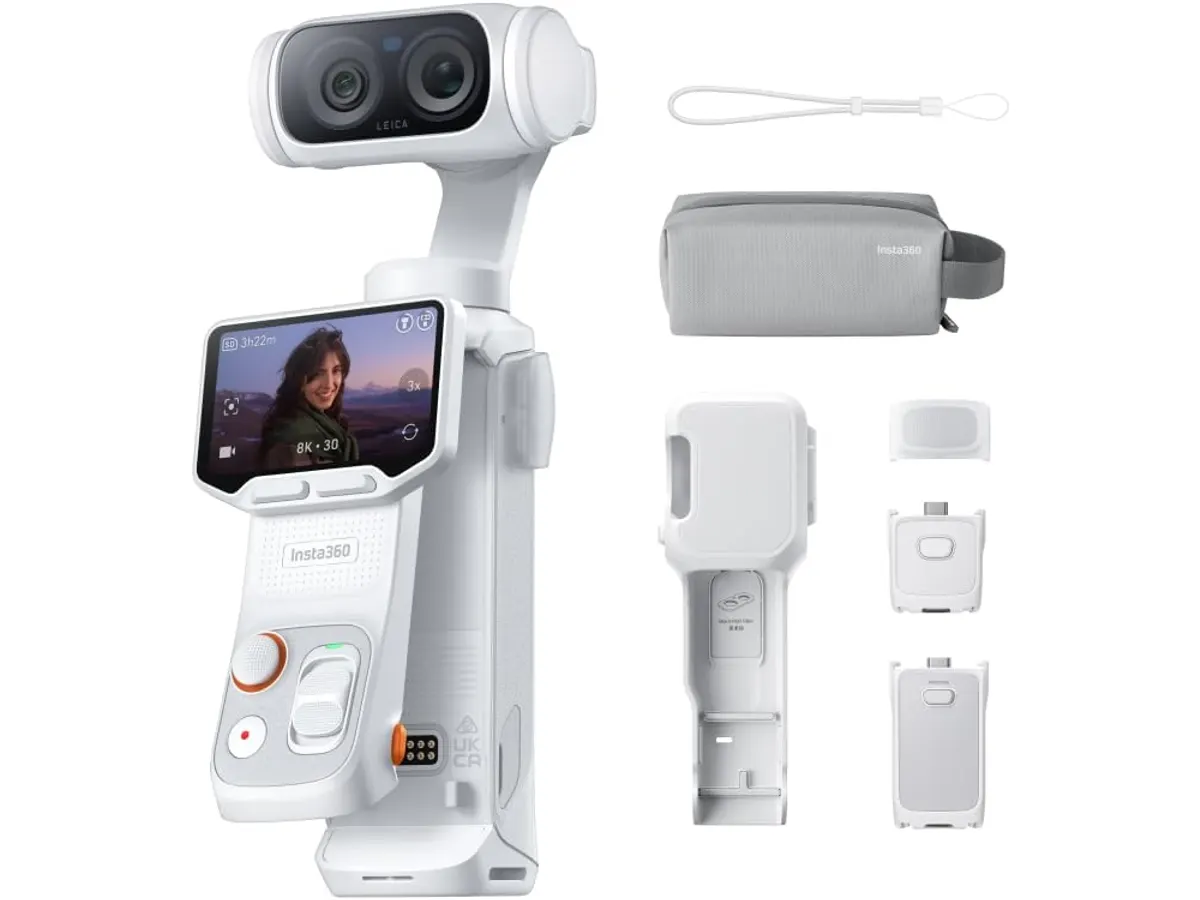
I was also impressed by the Leica dual-lens configuration. Having both 1-inch and 1/1.3-inch sensors at your disposal allows for a versatility that most pocket devices lack. When shooting in 10-bit I-Log, the dynamic range holds up remarkably well, giving me plenty of latitude in the color grade. The detachable 2-inch OLED screen is a clever touch; being able to detach it for remote monitoring while the camera is mounted on a tripod or a tight corner setup provides a level of production flexibility I haven’t seen in this form factor before.
Key specifications
| Feature | Specification |
|---|---|
| Lens System | Dual Leica |
| Sensor Sizes | 1-inch and 1/1.3-inch |
| Screen | 2-inch detachable OLED touch |
| Stabilization | Mechanical 3-axis |
| Color Profile | 10-bit I-Log |
| Battery Life | Up to 4 hours |
| Charging | 80% in 23 minutes |
Where it falls short
Despite the impressive specs, the Insta360 Luna Ultra isn’t perfect. The mechanical gimbal, while smooth, introduces a physical point of failure that a rigid body camera doesn’t have; you have to be extremely careful with it in dusty or sandy environments, as grit can easily impede the motor movement.
Additionally, while the 8K resolution sounds impressive, it places a massive burden on your post-production workflow. Unless you are working on a high-end workstation, the proxies alone will take up significant storage, and the heat generated during extended 8K recording sessions can be a concern for long-form interviews or events. It’s a powerful tool, but it demands a robust supporting infrastructure to actually reap the benefits of those files.
Who is it for?
The Insta360 Luna Ultra is an excellent fit for the solo travel filmmaker or the high-output vlogger who needs a “set it and forget it” stabilization solution that produces broadcast-ready footage. It replaces a full gimbal setup, making it ideal for anyone looking to shed weight from their daily carry.
Conversely, this is not the right tool for the studio-based commercial videographer who relies on interchangeable glass and deep menu control. If your workflow involves swapping lenses for specific focal lengths or using external audio interfaces as a core part of your rig, you will find this camera’s fixed architecture limiting compared to more traditional options.
Alternatives to consider
If you prefer a more established, minimalist approach to pocket-sized gimbal cameras, you should read our DJI Osmo Pocket 4 Review: Compact Camera for Vloggers. It offers a similar form factor but with a different focus on software integration and ease of use.
For those who prioritize streaming and high-end video production over portability, I suggest looking into the YOLOLIV YoloCam S3 Review: High-End Streaming Performance. This sits in a higher price tier and is geared toward those who need multi-cam switching and live production features that a standard handheld camera simply cannot provide.
Verdict
The Insta360 Luna Ultra is a specialized powerhouse that excels at stable, high-resolution capture. While it’s not a replacement for a cinema camera, it is one of the most capable Compact Cameras I have used for field work this year. If you can manage the storage demands of 8K and respect the delicate nature of the gimbal, it will significantly elevate your production quality.
Frequently asked questions
Is the mechanical gimbal fragile?
It is more delicate than a fixed lens camera. Because it uses moving parts to stabilize the sensor, you should avoid exposing it to fine sand or extreme moisture, which could lock the motors.
Does the 10-bit I-Log require advanced editing skills?
Yes. I-Log provides a flat image designed to be graded in post-production. If you want a “ready to post” look, you will need to apply a LUT or use the internal Leica color profiles, but for maximum dynamic range, you should be comfortable with color grading software.
Can I use the camera while it is charging?
Yes, it supports fast charging to reach 80% in 23 minutes, which is helpful during long shoot days. However, for extended sessions, I recommend keeping a high-capacity power bank nearby to ensure you don’t hit the 4-hour battery limit.

Written by
Charly River
Editor & Head of Reviews
I review audiovisual gear by cross-checking official specs, real availability and value for money. No sponsorships: if a link earns a commission, I always say so.
Spotted an error? Email usYou may also like
 Compact Cameras
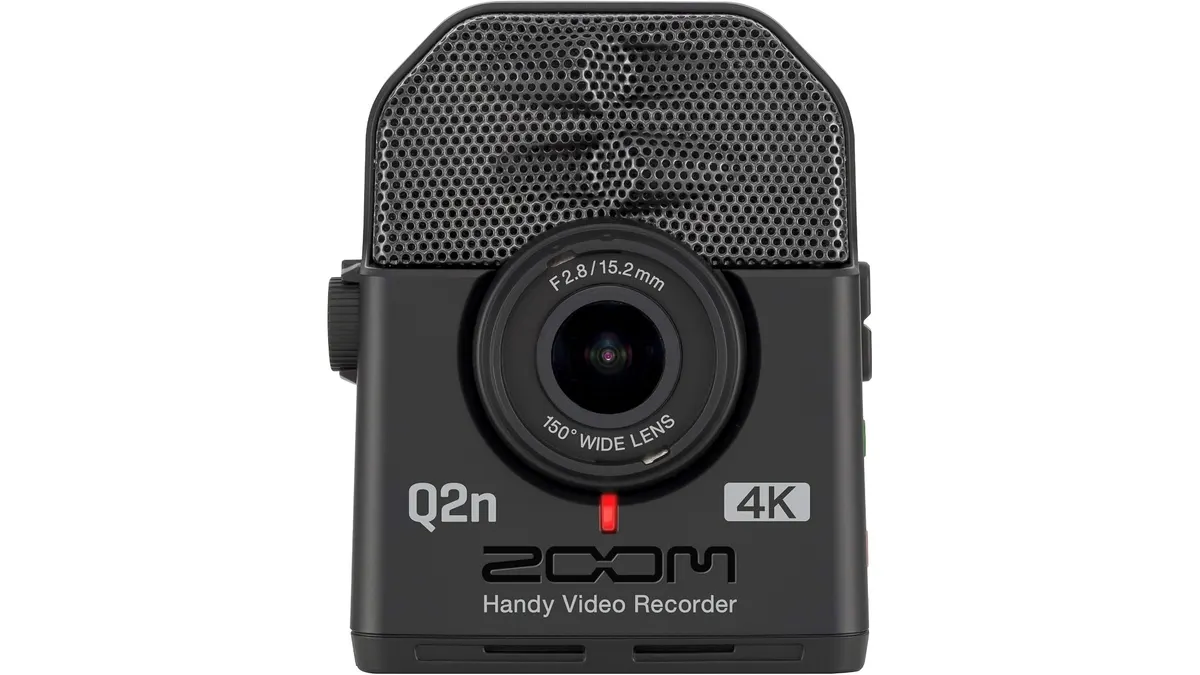
Zoom Q2n-4K Review: Essential 4K Video for Musicians
Read our hands-on Zoom Q2n-4K review to see how this ultra-compact 4K video camera handles loud live audio, web streaming, and stage lighting setups.
 Compact Cameras
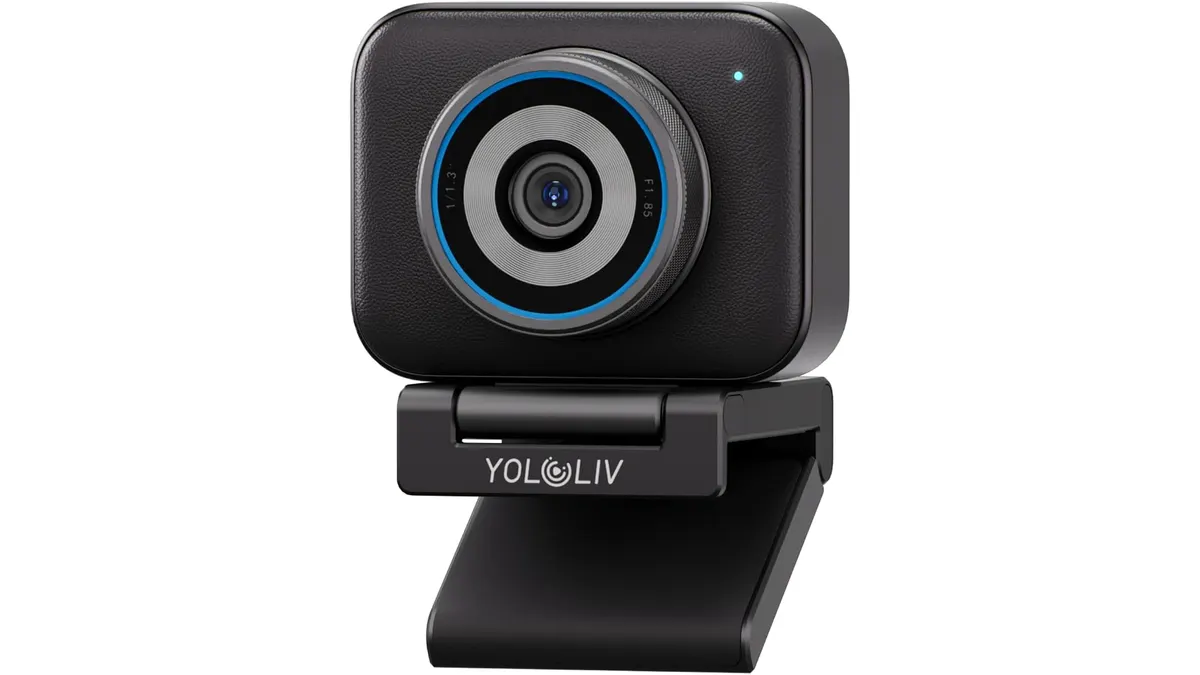
YOLOLIV YoloCam S3 Review: High-End Streaming Performance
I tested the YOLOLIV YoloCam S3 for streaming and corporate work. Read my honest review on image quality, autofocus, and if it fits your production needs.
 Mirrorless Cameras
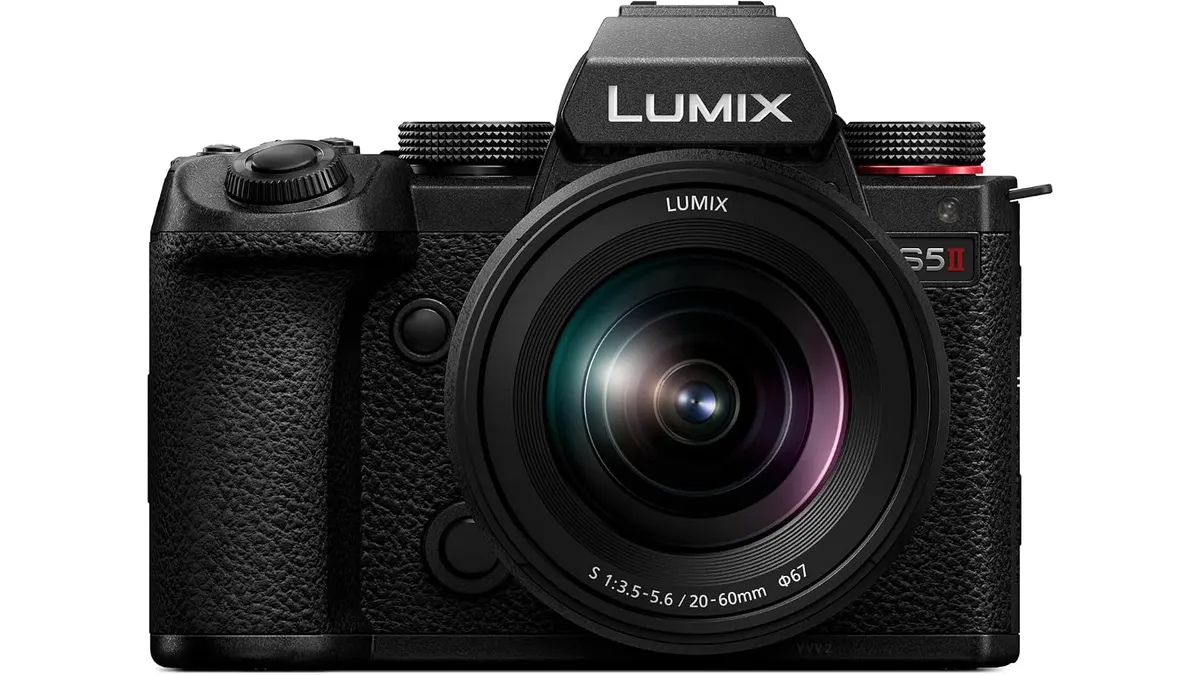
Panasonic LUMIX S5II Review: A Game-Changer for Filmmakers
Explore the Panasonic LUMIX S5II's features and performance in our comprehensive review. Is it the right mirrorless camera for your next project?