Amaran Ray 120c Review: A Powerhouse for Run-and-Gun Shooters
I put the Amaran Ray 120c to the test to see if this compact, weather-sealed LED is the ultimate tool for mobile content creators. Read my honest breakdown.
 Lighting
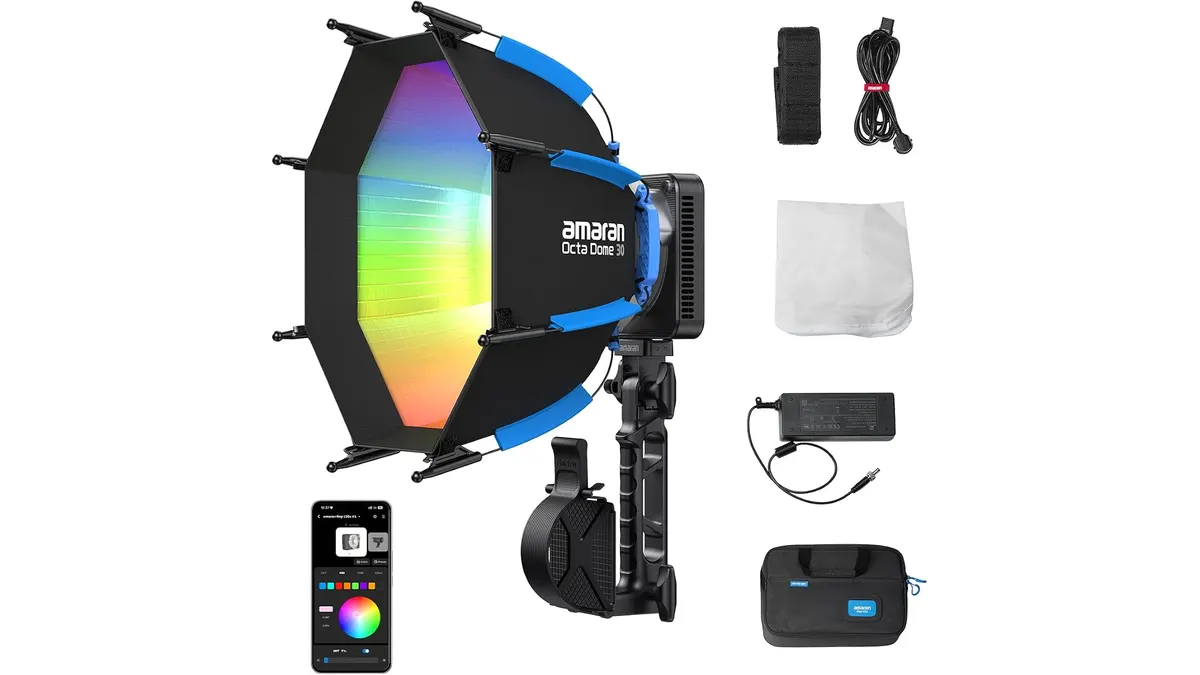
The Amaran Ray 120c is a fascinating entry into the compact LED market, bridging the gap between lightweight portability and professional output. We have seen plenty of small lights that promise the moon, but rarely do they deliver a Bowens mount in a chassis this thin. If you are looking to upgrade your setup, check out our full collection of professional Lighting solutions to see how this fits into a wider kit. I took this unit out for several days, and here is how it performs in the real world.
What it does well
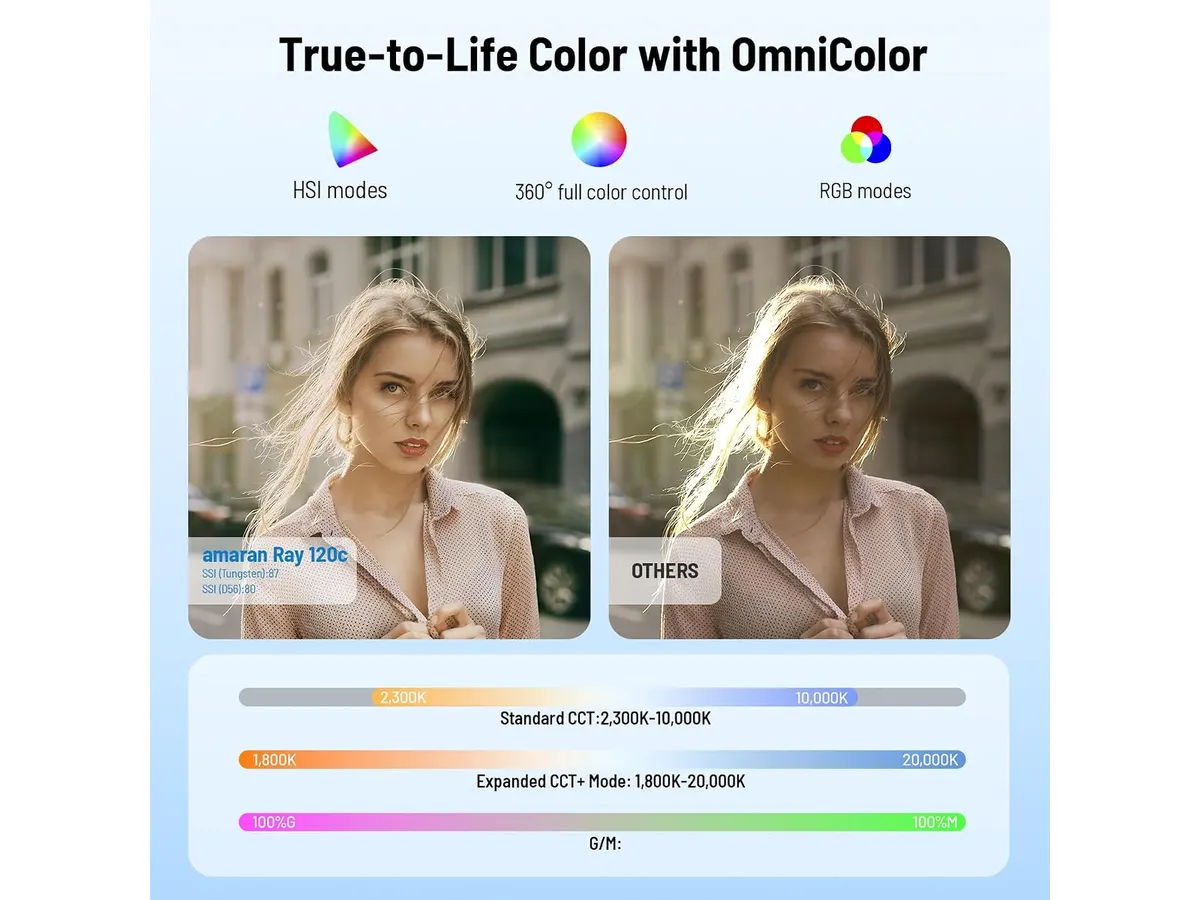
The most impressive aspect of the Amaran Ray 120c is the sheer output-to-size ratio. Delivering 6,850 lux at one meter while remaining thin enough to slip into a gear bag alongside a mirrorless camera is a game-changer for solo operators. The integration of the OmniColor engine is another win, providing color accuracy that holds up well during interviews where skin tones must remain natural under mixed lighting conditions.
I was particularly impressed by the IP54 weather resistance. Most lights in this class become paperweights the moment a drizzle starts, but the Ray 120c allows for more confidence during outdoor shoots. The inclusion of USB-C PD power is also a major convenience, as it removes the need for bulky V-mount plates when you are traveling light or working in tight spaces where every ounce matters.
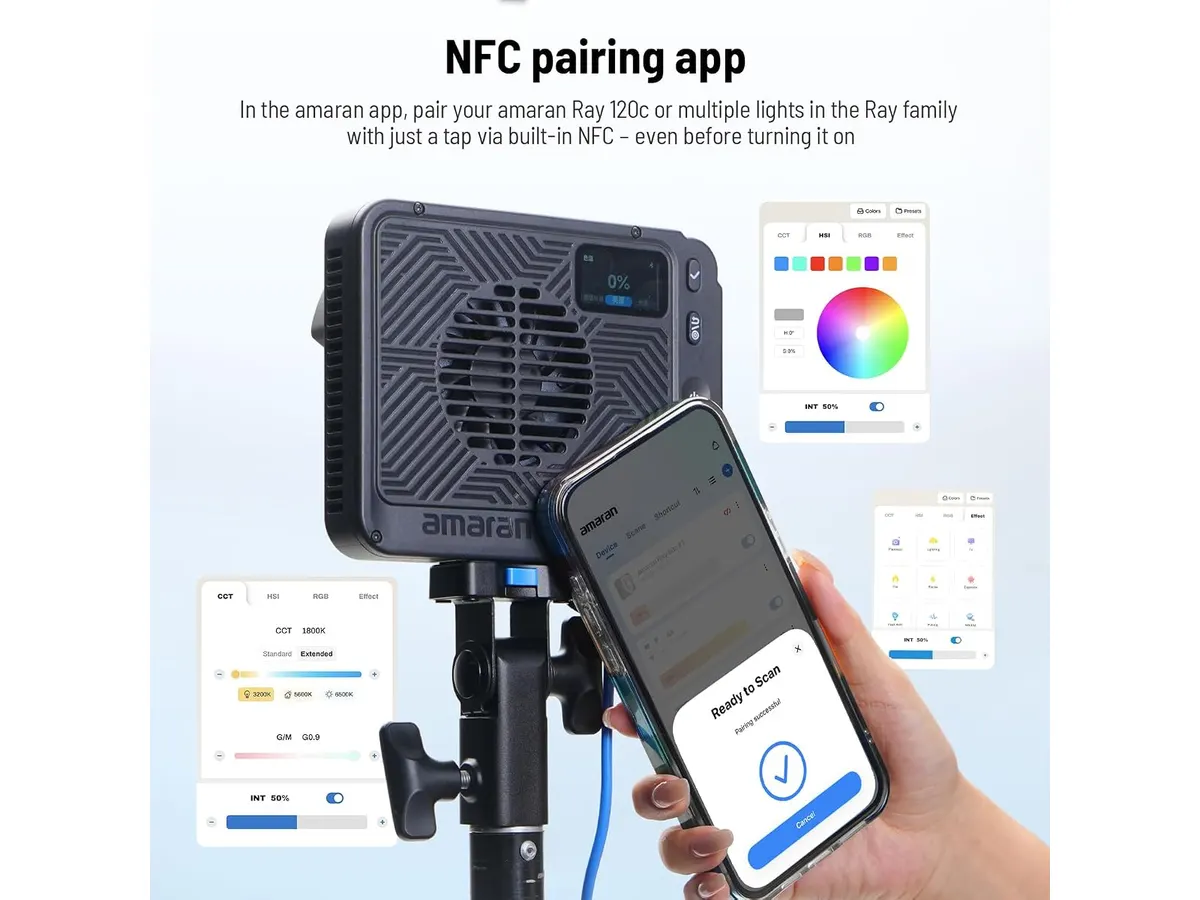
Finally, the NFC-based app pairing is surprisingly snappy. In a fast-paced environment where you are constantly moving between setups, not having to fumble through Bluetooth menus saves valuable production time.
Key specifications
| Feature | Specification |
|---|---|
| Power Output | 120W |
| Peak Brightness | 6,850 lux at 1m |
| Weight | 599g |
| Thickness | 5.1cm |
| Weather Rating | IP54 |
| Mount Type | Bowens |
| Power Input | USB-C PD |
Where it falls short
While the compact design is its greatest strength, it is also a potential source of frustration. The small form factor means that the cooling system has to work harder, and while it is efficient, the fan noise can be audible in quiet rooms during long interview takes if you are running at high intensities. You will need to account for this by positioning the mic accordingly or keeping the light output at a moderate level.
Additionally, while the Bowens mount is a fantastic inclusion for modularity, attaching large, heavy softboxes can make the center of gravity awkward. If you are planning to pair this with a massive diffusion dome on a flimsy light stand, you will need a counterweight or a professional-grade grip head to ensure the rig stays secure.
Who is it for?
The Amaran Ray 120c is perfect for the run-and-gun content creator or wedding videographer who needs high-quality, color-accurate light that fits in a backpack. It is an excellent choice for someone who already owns Bowens-mount modifiers and wants to maintain that ecosystem without hauling heavy mono-lights.
Conversely, this is not the right light for a studio-based cinematographer needing high-output fixtures that can punch through heavy diffusion for large-scale narrative work. If you are looking for a more permanent studio solution, you might find the output ceiling of this unit limiting compared to larger, dedicated COB lights.
Alternatives to consider
For those who need a more budget-friendly, entry-level approach to building a set, consider the options explored in our GVM 3-Pack LED Video Lighting Kit Review for Filmmakers. These kits offer a complete solution if you are just starting out and need multiple sources to light a scene, though they lack the portability and weather-sealing found here.
If your primary goal is simplicity and you do not require a Bowens mount for professional modifiers, you might look at a basic USB-powered panel. We previously covered the Neewer Dimmable 5600K USB LED Review: Small Panel Performance, which works well for desk setups and casual streaming but lacks the color-tuning and raw power of the Ray 120c.
Verdict
The Amaran Ray 120c is a highly capable tool that excels in versatility and mobility. While it requires a bit of care regarding fan noise and weight balance with large modifiers, its performance justifies a spot in most field kits. If you want a light that handles travel with ease and keeps your color science accurate, this is a solid investment for your Lighting arsenal.
Frequently asked questions
Can I run this light off a power bank?
Yes, as long as your power bank supports the required USB-C PD delivery standards, you can power it in the field without access to a wall outlet.
Is the cooling fan noticeable?
It is quiet, but it is audible in dead-silent environments. If you are recording sensitive audio, I recommend keeping your mic at a reasonable distance from the fixture.
Can I use my existing softboxes?
Yes, the Bowens mount makes this compatible with almost every standard softbox or modifier currently on the market, just watch your balance on smaller light stands.

Written by
Charly River
Editor & Head of Reviews
I review audiovisual gear by cross-checking official specs, real availability and value for money. No sponsorships: if a link earns a commission, I always say so.
Spotted an error? Email usYou may also like
 Lighting
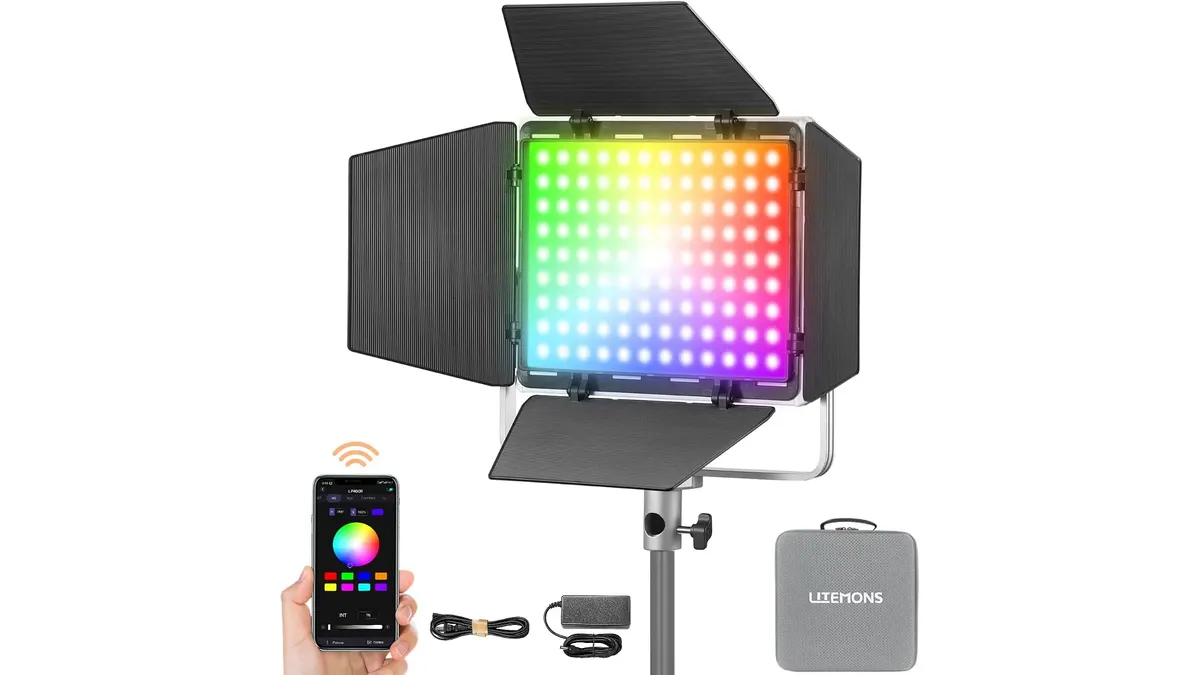
Godox Litemons LP400R Review: Versatile LED Panel for Creators
I put the Godox Litemons LP400R through its paces to see if this compact LED holds up for professional field work. Read my honest take on this light.
 Lighting
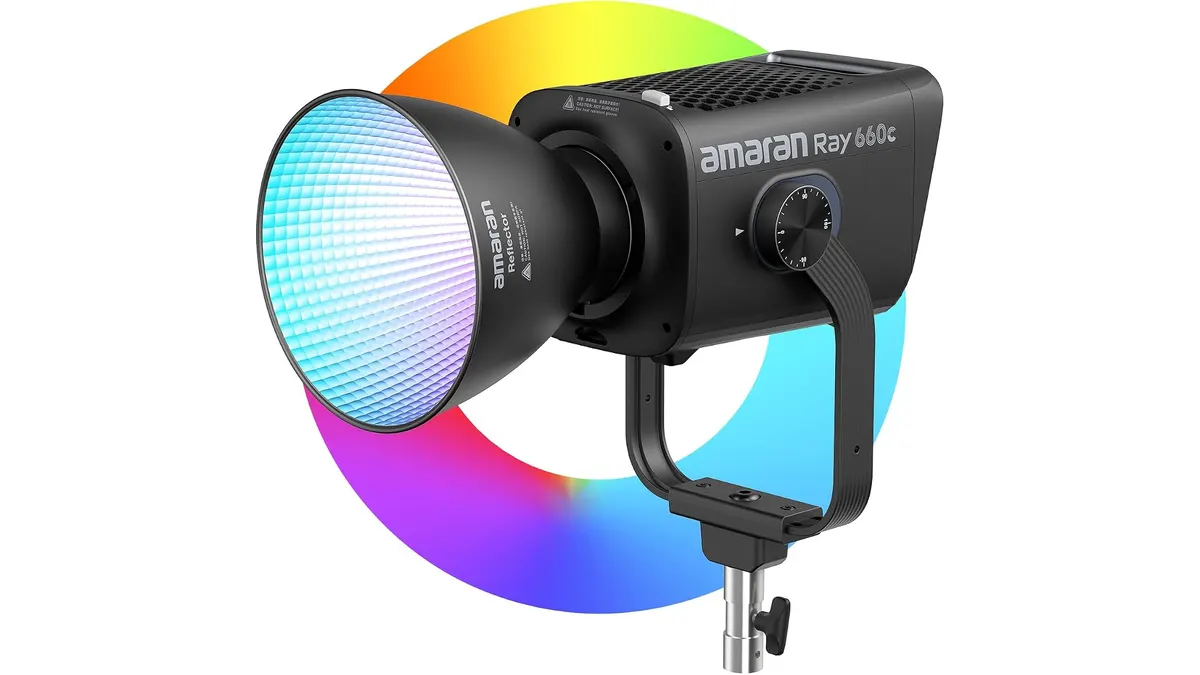
Amaran Ray 660c Review: High Output Power for Demanding Shoots
We put the Amaran Ray 660c to the test. Discover if this 660W RGB monolight is the right upgrade for your professional studio or outdoor production setup.
 Lighting
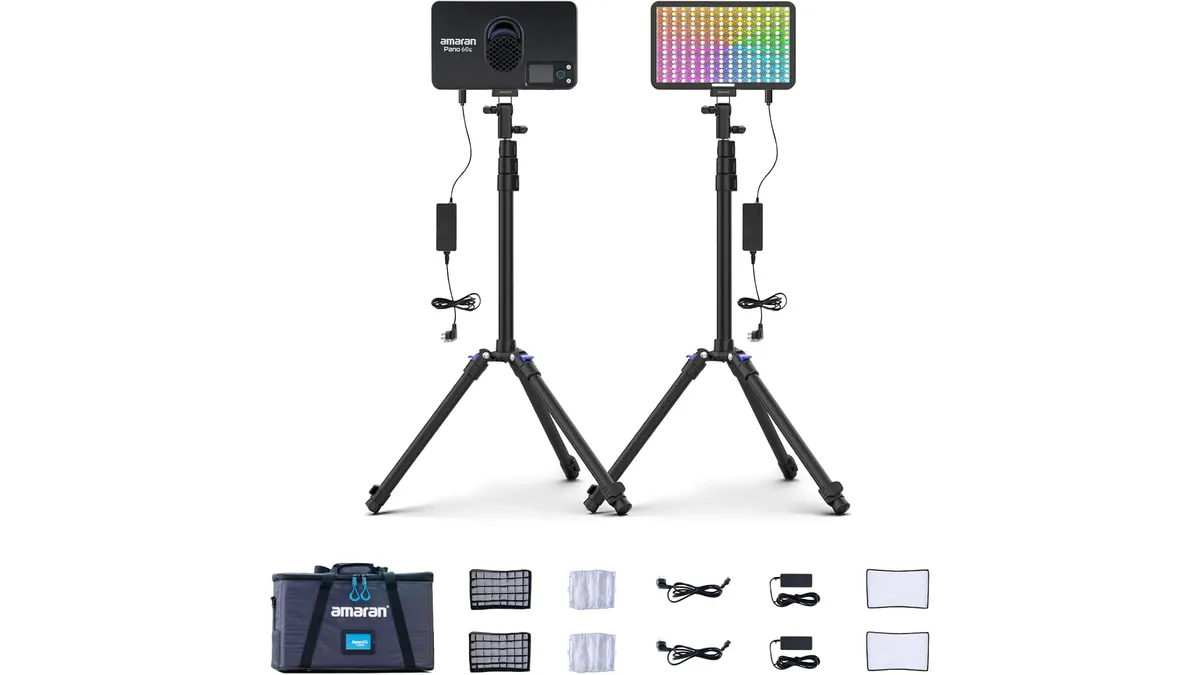
Amaran Pano 60c 2-Light Kit Review: Portable Power for Solo Shooters
I tested the Amaran Pano 60c 2-Light Kit in the field. See if this compact RGBWW setup is the right addition to your portable production toolkit.