Canon EOS C70 Review: A Pro Cinema Camera for Solo Shooters
Is the Canon EOS C70 the right cinema camera for your workflow? We test the Super 35 sensor, RF mount versatility, and real-world performance for pros.
 Cinema Cameras
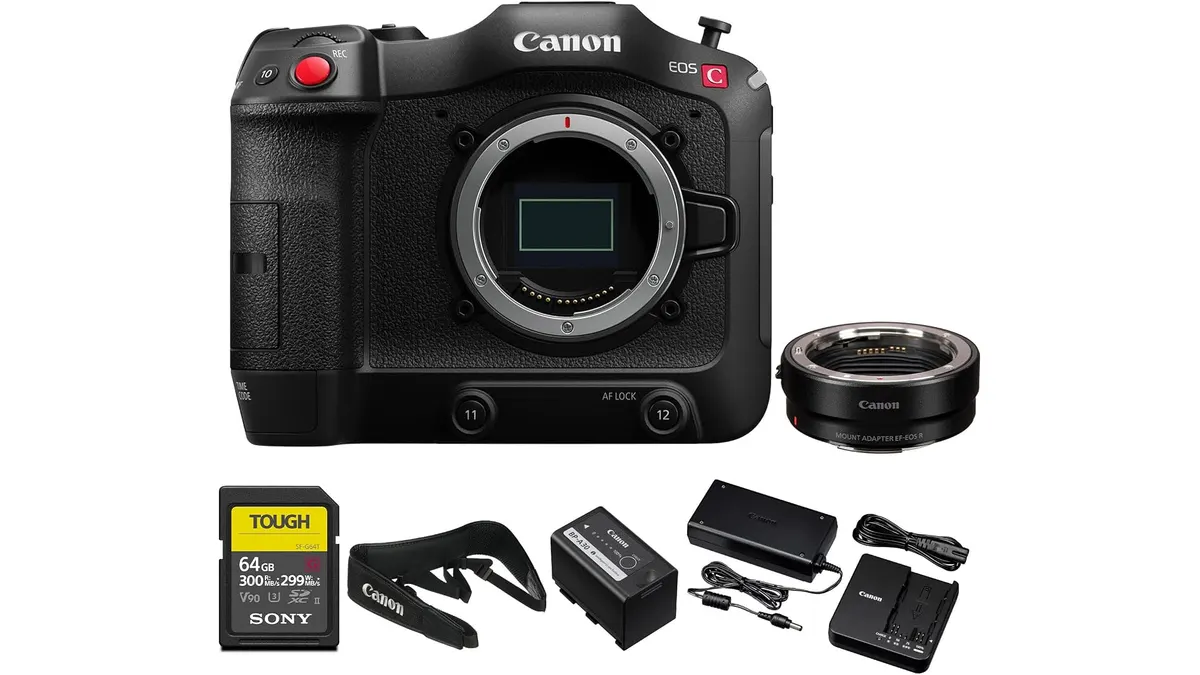
The Canon EOS C70 occupies a unique space in the current market, bridging the gap between bulky cinema rigs and mirrorless convenience. For solo operators and small production teams, this camera offers professional-grade internal tools in a chassis that fits into a standard camera bag. If you are exploring our selection of Cinema Cameras, this unit stands out as a serious workhorse for those who need reliable, high-end output without the constant need for a dedicated camera assistant.
What it does well
The standout feature of the Canon EOS C70 is its Super 35 DGO sensor. With over 16 stops of dynamic range, I have found it handles high-contrast lighting scenarios—like corporate interviews near bright windows—with remarkable grace. The highlight roll-off is smooth, giving your footage that organic, filmic quality that smaller sensors often struggle to replicate.
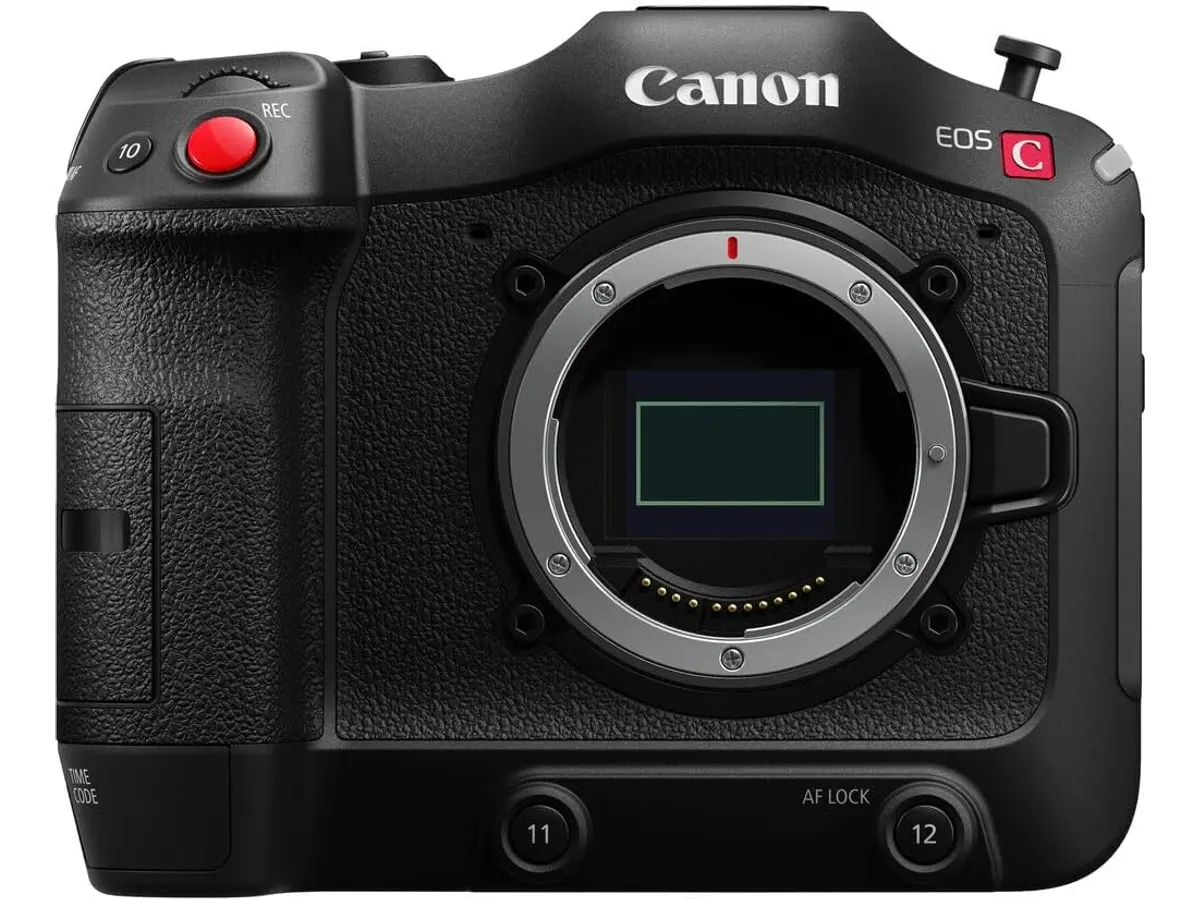
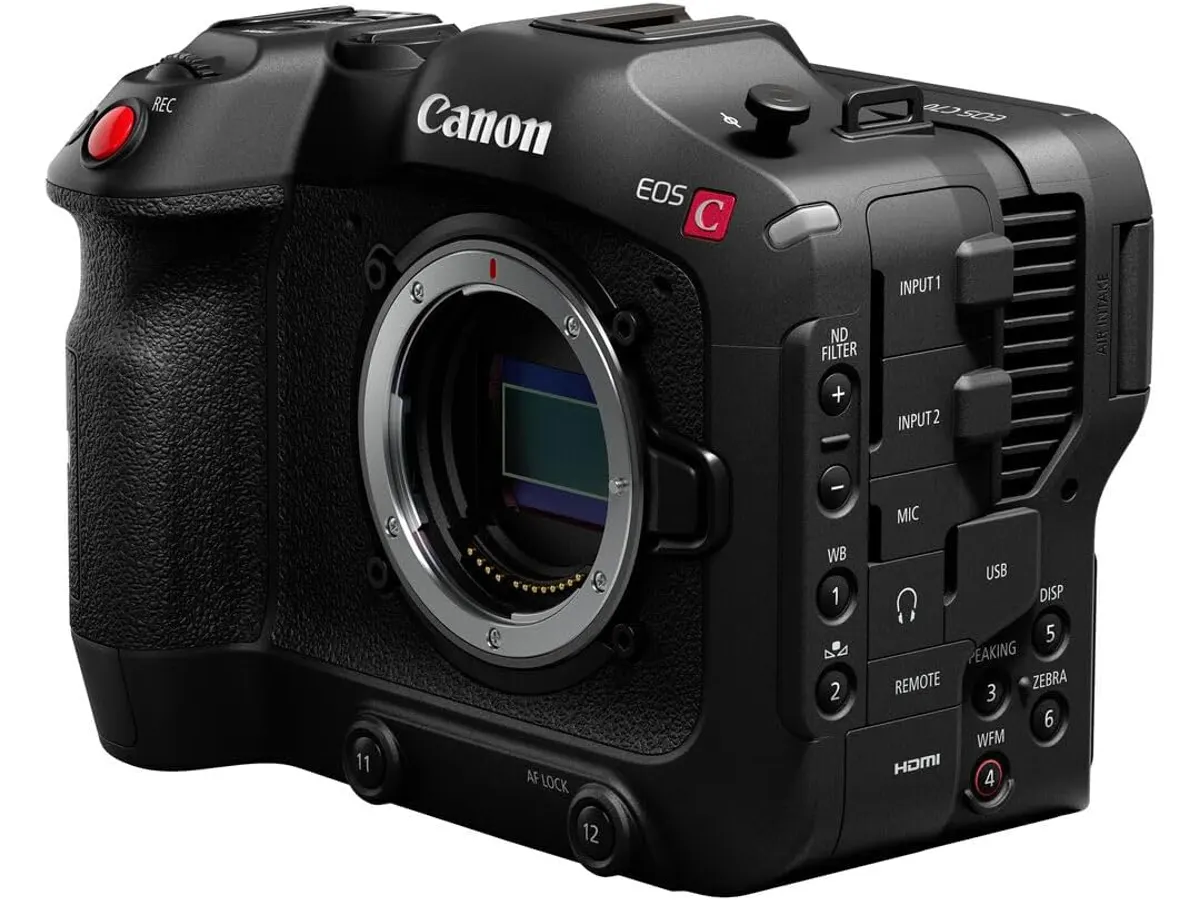
Integration is where this camera truly shines. Having built-in ND filters in a body this size is a game changer for run-and-gun shooters. You can maintain your desired aperture and shutter angle in changing daylight without fumbling with external glass or matte boxes. Furthermore, the dual mini-XLR inputs allow for professional audio capture directly into the camera, which saves significant time in post-production by avoiding the need for external recorders.
Finally, the RF mount provides incredible flexibility. Whether you are using high-end cinema glass or modern autofocus-capable photo lenses, the mount is future-proof and robust. Having the ability to shoot 4K at 120 fps also gives you the slow-motion tools required for high-end commercials or action-heavy sequences, all while maintaining the color depth required for professional grading via C-Log 2.
Key specifications
| Feature | Specification |
|---|---|
| Sensor Type | Super 35 |
| Lens Mount | Canon RF |
| Dynamic Range | 16+ stops |
| ND Filters | Integrated |
| Audio Inputs | Dual mini-XLR |
| Max Resolution/Frame Rate | 4K at 120 fps |
| Color Profile | C-Log 2 |
Where it falls short
While the ergonomics are impressive, the form factor is not perfect. The menu system, while familiar to Canon users, can be cumbersome to navigate quickly during a fast-paced documentary shoot. I often found myself wishing for more external, tactile buttons for specific settings that are currently buried in layers of the touchscreen interface.
Additionally, the reliance on mini-XLR inputs rather than full-sized ports is a minor but persistent annoyance. You will almost certainly need to carry specialized adapters or custom cables to connect standard professional shotgun microphones. It adds an extra point of failure in your audio chain that could have been avoided with a more traditional layout.
Who is it for?
The Canon EOS C70 is a perfect match for the solo documentary filmmaker or the corporate videographer who needs top-tier image quality but cannot afford the weight and setup time of a traditional cinema camera. It is a dream for someone working on a gimbal or in tight spaces.
Conversely, this is not the right choice for a high-end studio production that requires multiple operators, external monitor rigs, and heavy-duty V-mount battery systems. If your workflow relies on heavy rigging and massive external monitors, you might find the compact, “all-in-one” philosophy of this body more restrictive than liberating.
Alternatives to consider
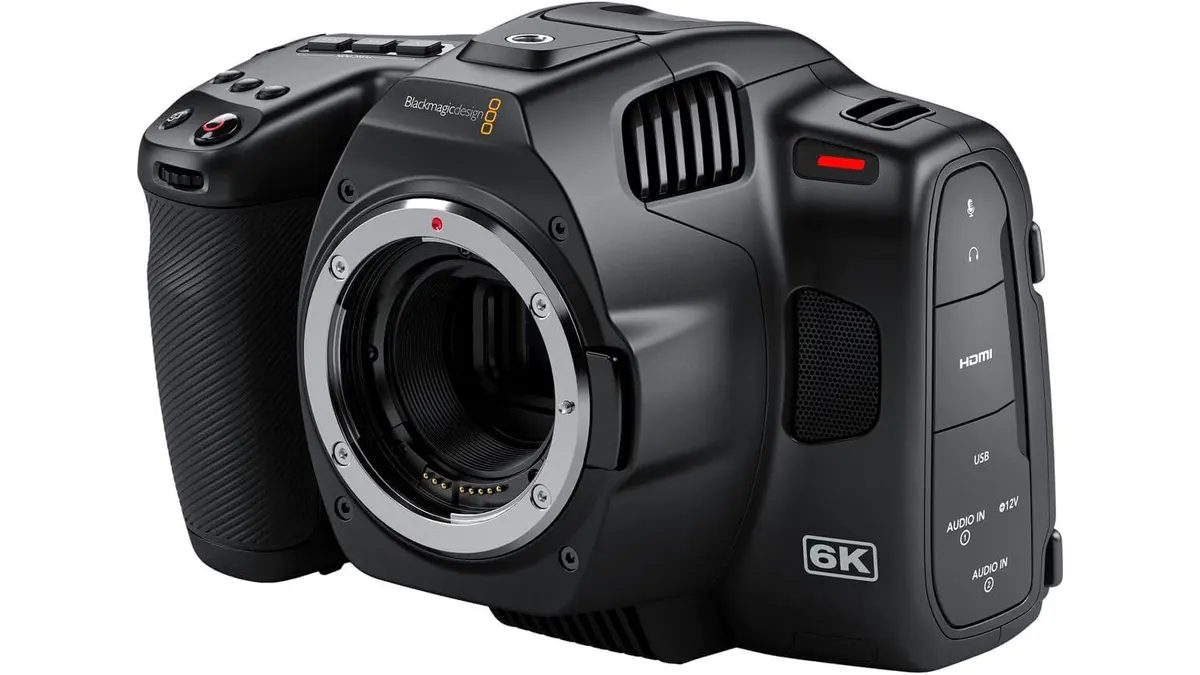
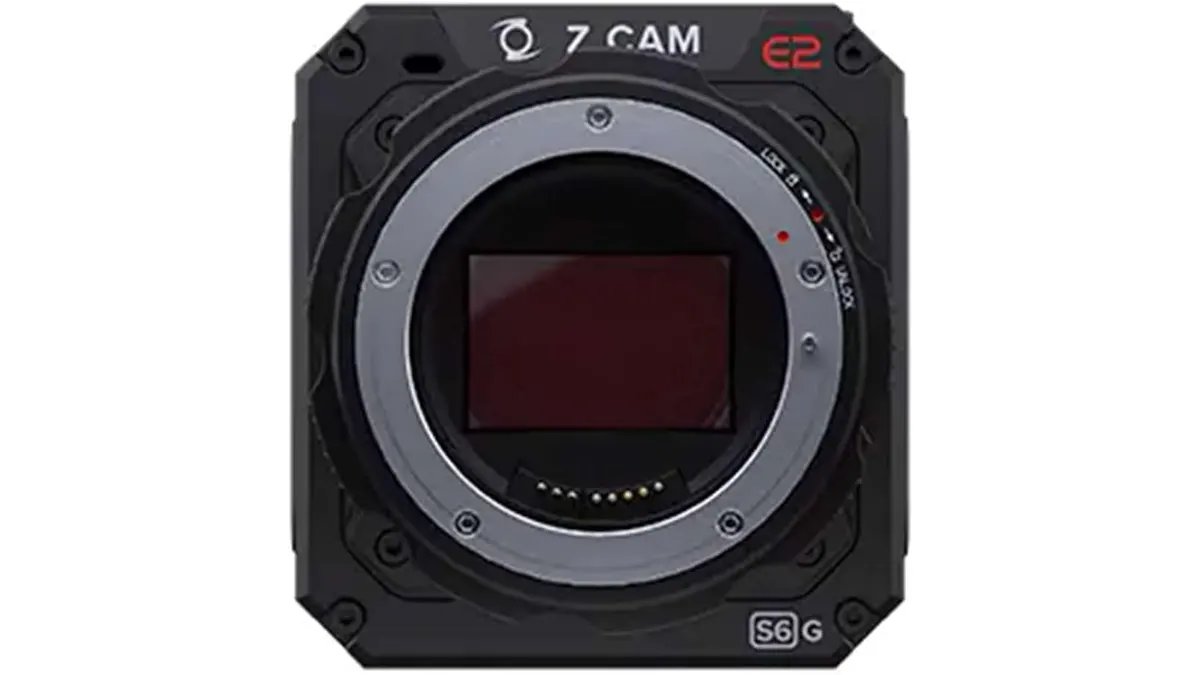
If you find the Canon ecosystem too restrictive, you might look at entry-to-mid-tier cinema options that prioritize a more modular design. If you need a camera that focuses on internal raw recording and a more traditional cinema form factor for studio work, consider the Blackmagic Design Pocket Cinema Camera 6K Pro In-Depth Review. For those who prefer a highly customizable, cage-based setup that excels in specialized mounting configurations, the Z CAM E2-S6G Review: A Powerful Super 35 Camera offers a unique alternative in the mid-price tier.
Verdict
The Canon EOS C70 is a sophisticated tool that excels in versatility and image fidelity. It is a fantastic choice for professional creators who need to balance cinema-grade output with the speed of a modern mirrorless workflow. If you value reliable autofocus and integrated professional features, it is a solid investment for your kit.
Frequently asked questions
Is the Canon EOS C70 compatible with EF lenses?
Yes, but you will need an EF-to-RF mount adapter. Canon offers versions that maintain full electronic communication for autofocus and iris control.
Can I use the C70 for live streaming?
It has a clean HDMI output, allowing you to feed a signal into a capture card for high-quality live production, though it is primarily designed as a cinema acquisition tool.
Does it require proprietary batteries?
It uses Canon’s standard cinema-style batteries, which offer good longevity, though I always recommend carrying spares for a full day of production.

Written by
Charly River
Editor & Head of Reviews
I review audiovisual gear by cross-checking official specs, real availability and value for money. No sponsorships: if a link earns a commission, I always say so.
Spotted an error? Email usYou may also like
 Cinema Cameras
Blackmagic Design Pocket Cinema Camera 6K Pro In-Depth Review
We test the Blackmagic Design Pocket Cinema Camera 6K Pro to see if its ND filters and Super 35 sensor make it the ultimate choice for your next production.
 Cinema Cameras
Z CAM E2-S6G Review: A Powerful Super 35 Camera
Explore the Z CAM E2-S6G for cinematic production. Learn its strengths, limitations, and if it's the right fit for your filmmaking needs.
 Monitors
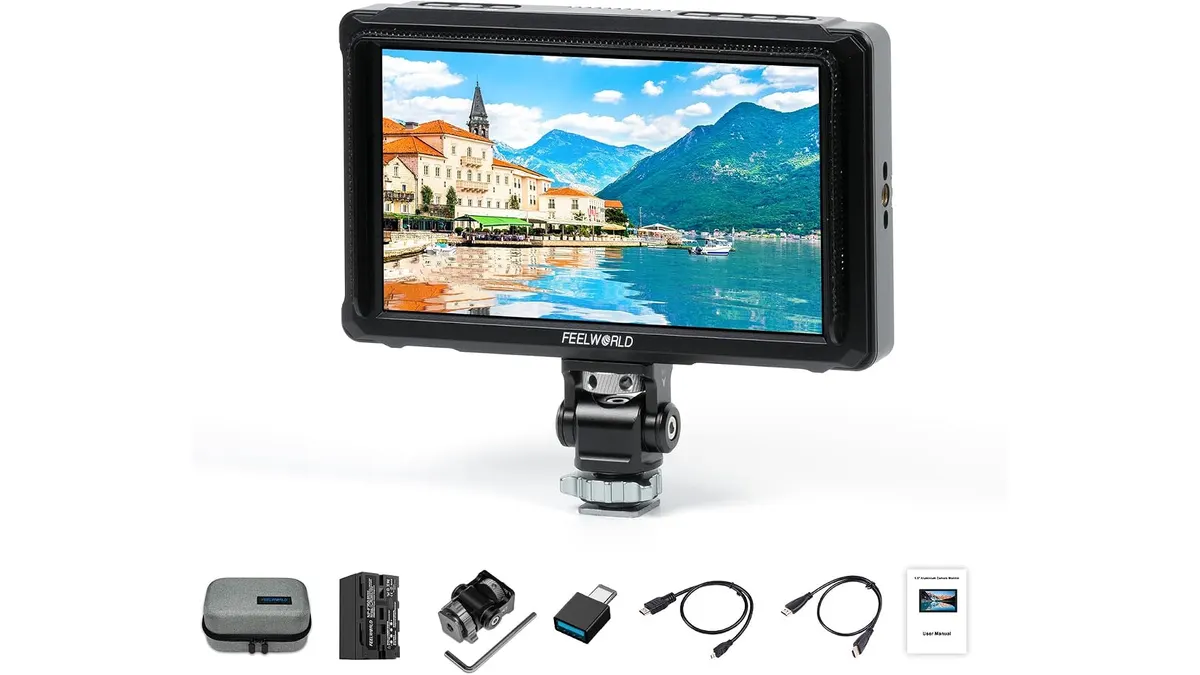
FEELWORLD FW568PRO Review: A Bright Field Monitor for Creators
Looking for a reliable field monitor? Our FEELWORLD FW568PRO review breaks down its 1200-nit screen, LUT support, and performance for solo video production.